Why Is It Called the Worm?
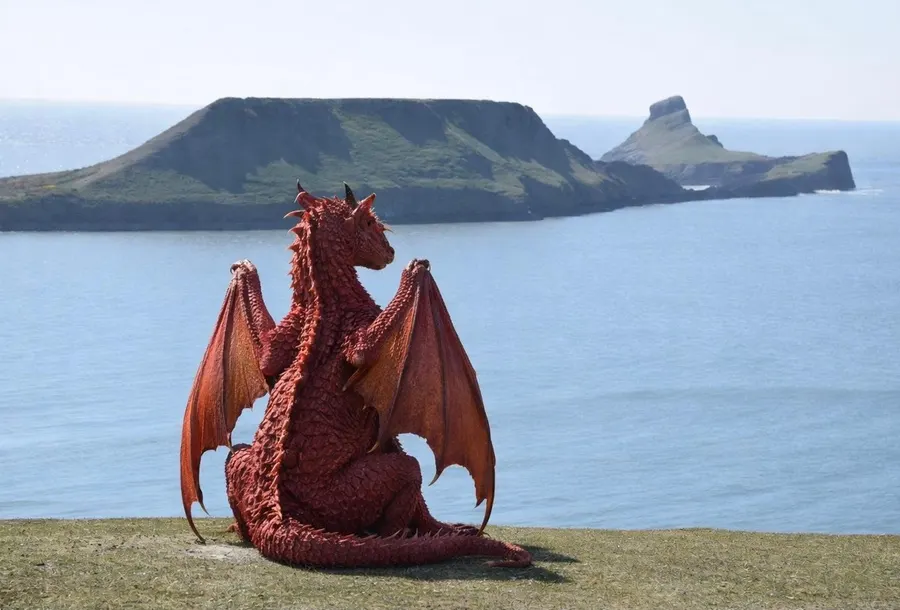
More than a thousand years ago, in about the year 986, Vikings sailed here and landed on the island. When they looked at its long, bumpy shape lying in the sea, they thought it was a giant sleeping dragon.
They called it “Wurm”, their word for a sea dragon or sea serpent. Over hundreds of years the name changed to the one we use today: Worms Head.
At the far end of the Worm there's a blowhole. When the waves crash in, air is squashed out of a hole in the rock with a big WHOOSH and a hiss. The Vikings were sure it was the dragon snorting in its sleep!
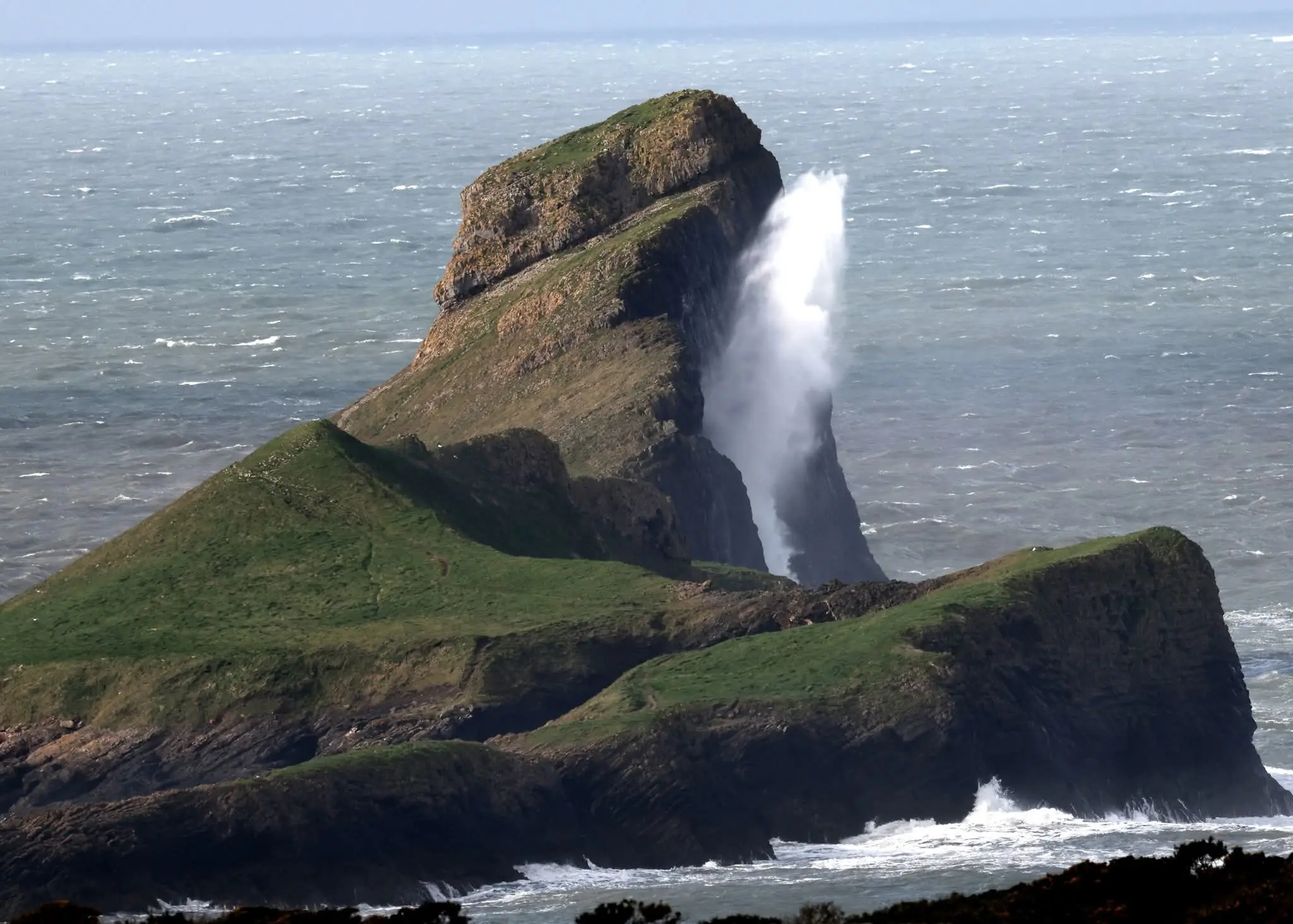 Photo courtesy of Jessica Crumpton
Top Secret Dragon Facts
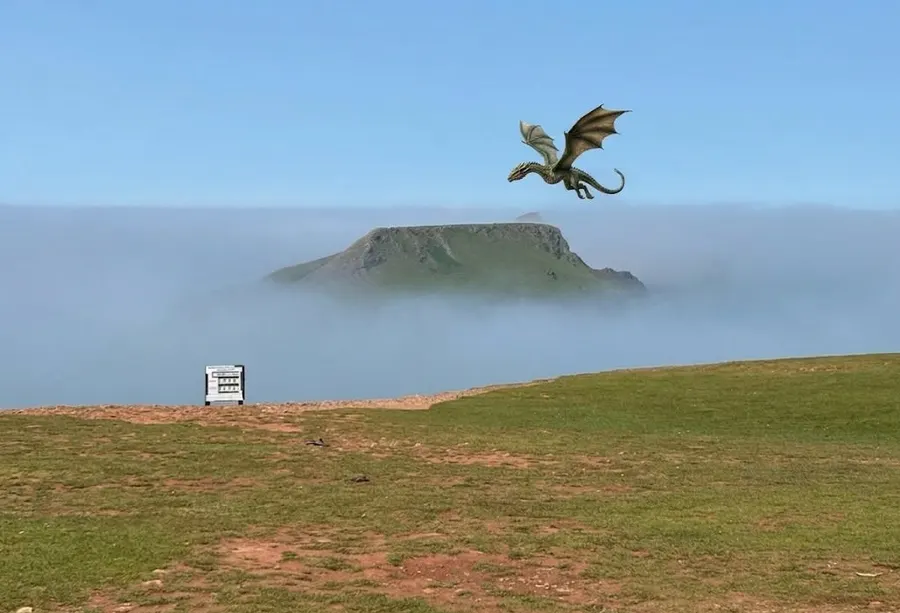
Our watchkeepers have been keeping an eye on the dragons of Worms Head for years. Here's what they've found out:
- Hatching timeDragon eggs hatch between early January and late March. The eggs are about the size of a duck's egg.
- Tiny babies, big grown-upsA baby dragon is only about as tall as your hand (3 to 4 inches) when it hatches, but it grows to the size of an ostrich!
- ColoursThey can be brown, green or deep red. Boys and girls are the same colours, but the boys are usually a bit taller.
- What do dragons eat?Surprisingly, they're vegetarian! Every winter a farmer puts sheep out on the island, and no dragon has ever bothered one. Their favourite food is seaweed, and they seem to munch up their old eggshells too.
- Very, very shyGrown-ups can hardly ever see them. If you're lucky, you might spot one flying above the Worm in the late evening, when there aren't many people about.
- They speak WelshOur dragons only speak Welsh! So if you meet one, why not try out a few Welsh words? Here's how to say them:
- ShwmaeHellosay “shoo-my”
- Bore daGood morningsay “bor-eh dah”
- CroesoWelcomesay “kroy-so”
- DraigDragonsay “dryg” (rhymes with “dry” + g)
- DiolchThank yousay “dee-olch”, with the “ch” like clearing your throat
- Hwyl fawrGoodbyesay “hoo-eel vowr”
- Found an egg?Please leave it where it is. Baby dragons do not make good pets — they very quickly become too HOT to handle!
Seen a Dragon? Tell Us!
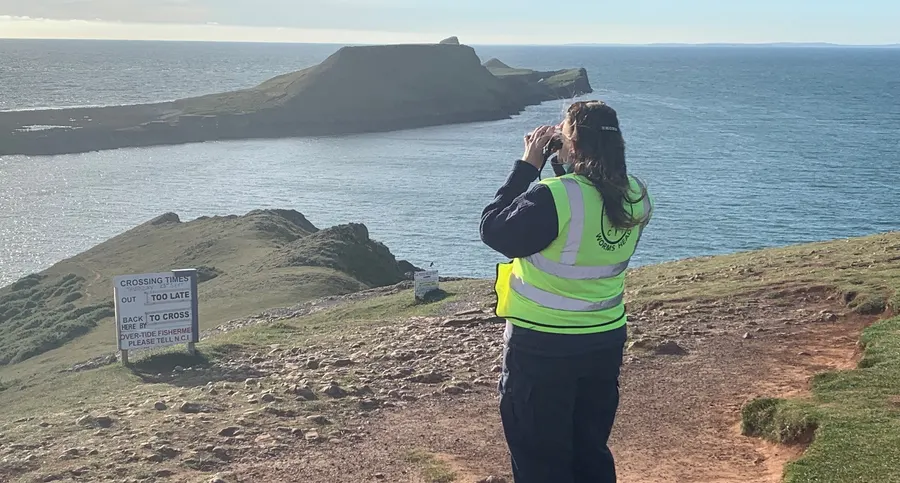
Dragons are rare and need looking after, so our Lookout helps with a national survey of how many there are. If you're lucky enough to spot one, pop into the Coastwatch hut on your way back and tell the watchkeeper:
- What colour was it? Brown, green or deep red?
- How big was it? Egg-sized, hand-sized, or as big as an ostrich?
- Where did you see it? Flying, on the rocks, or in the water?
- What was it doing? Munching seaweed? Snoozing? Snorting through the blowhole?
Dragon facts collected by Ernie, a volunteer at NCI Worms Head.
The Secret Dragon Farm of Rhosili
Not many people know this, but long ago, before there was any electricity, there was a Dragon Farm at the far end of Rhosili beach, where fresh water bubbles up out of the sand for the dragons to drink.
The little white house on the path down to the causeway, now called Kitchen Corner, was the dragon watchman's house. The eggs were hatched in the cave at the very end of Worms Head, looked after by Dai the Egg. When the tide and weather are just right, the blowhole sprays a special mix of salt, seaweed and air over the rocks. That's the signal that tells the eggs it's time to hatch. You can still see the spray today!
Baby dragons were fed on Welsh cakes by Dai the Cake until their wings grew. Then Dai the Wings took them up the hill behind the beach and taught them to fly, from the spot where the old concrete base is now. At night, Dai the Night kept watch, and the whole farm was run by a man called Shadwell, who lived in the big white house under the hill.
The young dragons practised breathing fire down on the beach near the water, where it was safe. But one day they got a bit carried away and set fire to a ship bringing cawl, Welsh cakes and bara brith to the village. People say you can still see the remains of the ship sticking out of the sand!
When they were big enough, the dragons were taken in a cart pulled by marsh ponies to Whitford Lighthouse. There, Dai the Light taught the brightest flame-breathers to breathe fire in special patterns, and they were sent to headlands all around Wales to keep passing ships safe. When electricity came along, Dai Trydan (Dai the Electric) copied their flashing patterns with light bulbs — and lighthouses still flash those patterns today.
The dragons with smaller flames went off to do important jobs at ceremonies all over Wales. The rest were set free. They live in the quiet, wild places now, far away from people. If you see a hilltop covered in heather with no trees, look carefully: their fire-breathing may have cleared it. And whenever you see a flag with a red dragon on white and green, it means a dragon was spotted there once upon a time…
Story courtesy of Nick King.
Super Seal Facts
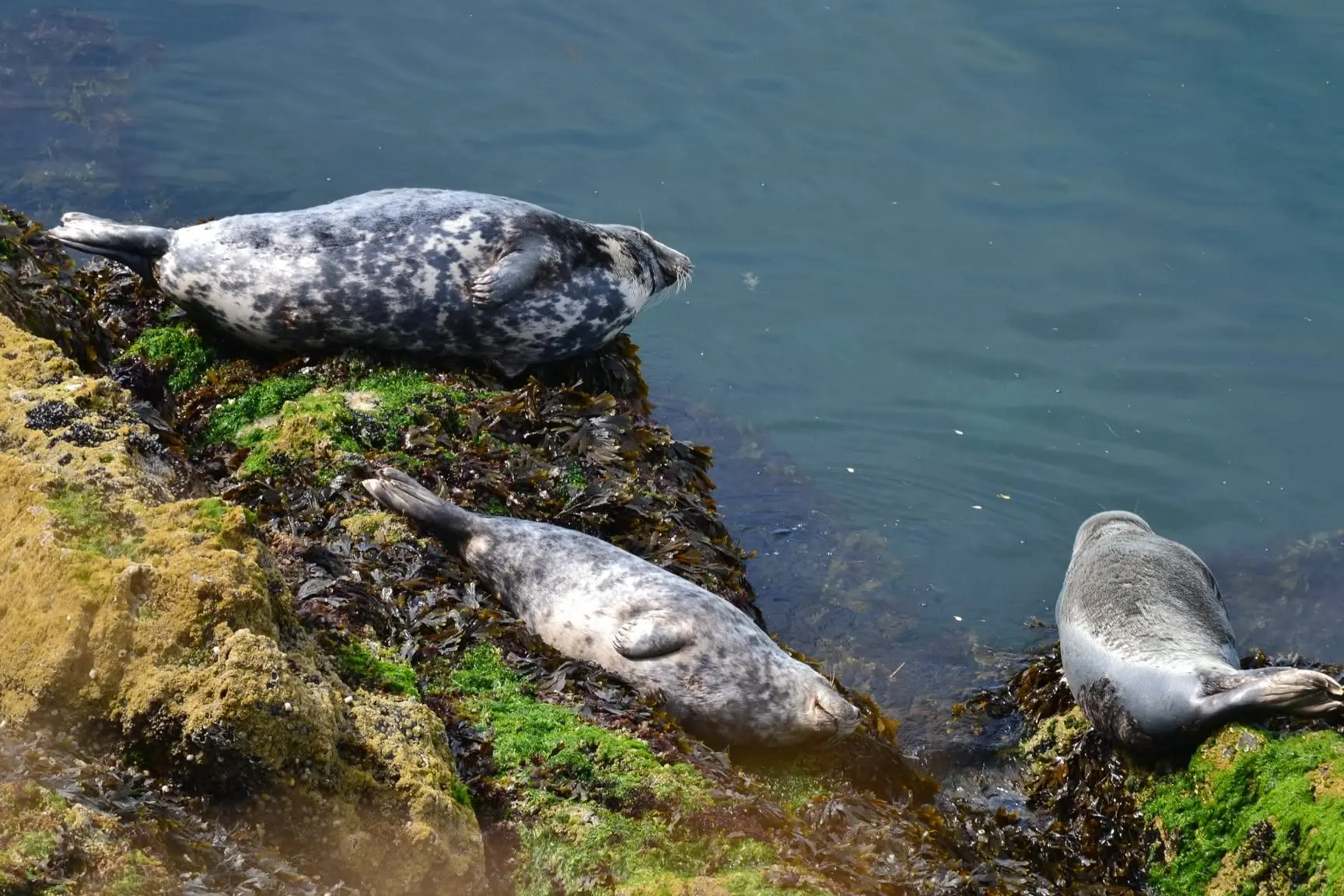
The dragons might be shy, but you've a much better chance of seeing our grey seals! They often rest on the rocks around Worms Head. Grey seals are rare around the world, so we're very lucky to have them here.
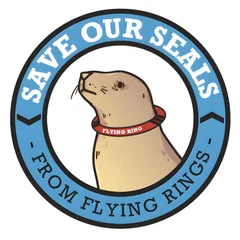 Be a Seal Hero
Seals come out of the water onto the rocks to rest and digest their food. If they're scared back into the sea again and again, they get very tired. You can help by:
- Watching quietly from a distance — if a seal looks up at you, you're too close.
- Keeping dogs on a lead near the seals.
- Never throwing flying rings or leaving litter — seals can get them stuck around their necks.
Seal facts and photo courtesy of Gareth Richards, Gower Seal Group.
Causeway Treasure Hunt: The Anchor of the Samuel
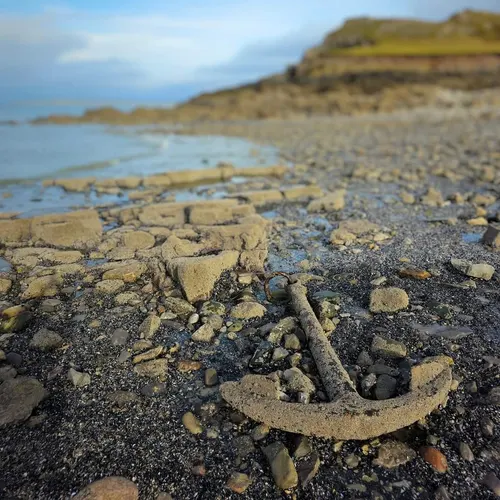 Photo courtesy of Martin Jones
On a dark February evening in 1884, a sailing ship called the Samuel ran onto the rocks near Worms Head. She was carrying coal all the way from Cardiff to Brazil. The Coastguard at Rhosili saw her lights, got a rope across to the ship, and rescued all eleven sailors.
The ship broke up, but local farmers carried her coal away, and families kept warm with it for many winters afterwards.
The Samuel's anchor is still on the causeway, tucked into the rocks and mussel beds. If you look very carefully, you might even spot little bits of coal around it!
Collect Our Safety Stickers!
Our dragons and seals have some important safety messages for you. These stickers were designed by one of our own volunteers. Come and visit the Lookout Station and choose a sticker to keep — can you collect them all?