Eyes Along the Coast
The National Coastwatch (NCI) was set up in 1994 after two fishermen lost their lives off the Cornish coast, below a coastguard lookout that had recently closed and stood empty. Local people resolved that it should never happen again, and began re-opening disused lookouts and keeping watch themselves.
From that first station, NCI has grown to around 2,800 trained volunteer watchkeepers at more than 60 stations around the coasts of England and Wales. Today, NCI is an official Search and Rescue partner and a Declared Facility of HM Coastguard — the Coastguard’s eyes along the coast, watching for anyone in difficulty and raising the alarm when help is needed.
Every year, our station must pass an assessment to keep its Declared Facility Status. This shows HM Coastguard that we meet the standard required to be part of the UK’s search and rescue framework. It means that when the Coastguard calls on us, they know exactly what we can do and can rely on us to do it.
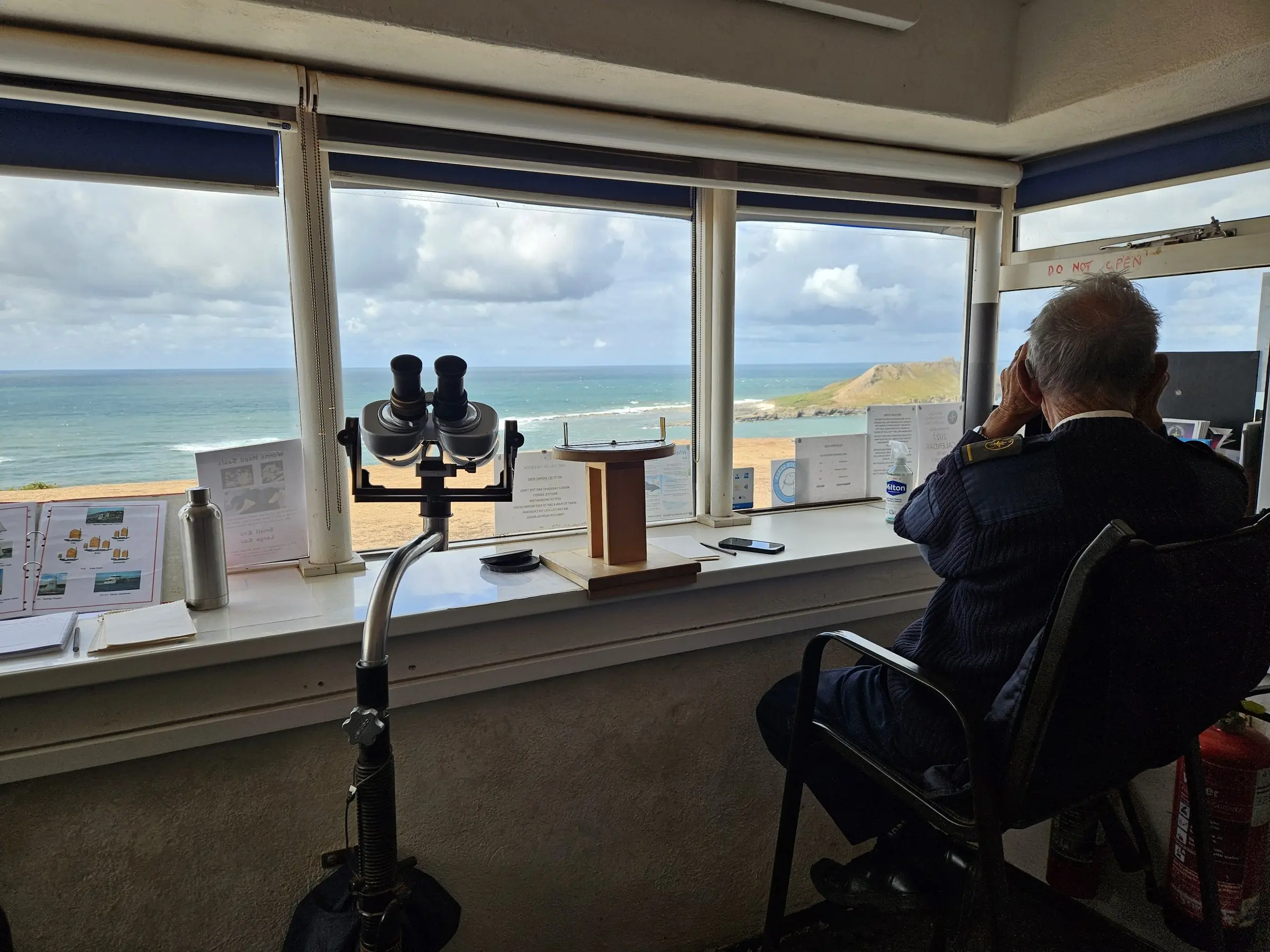
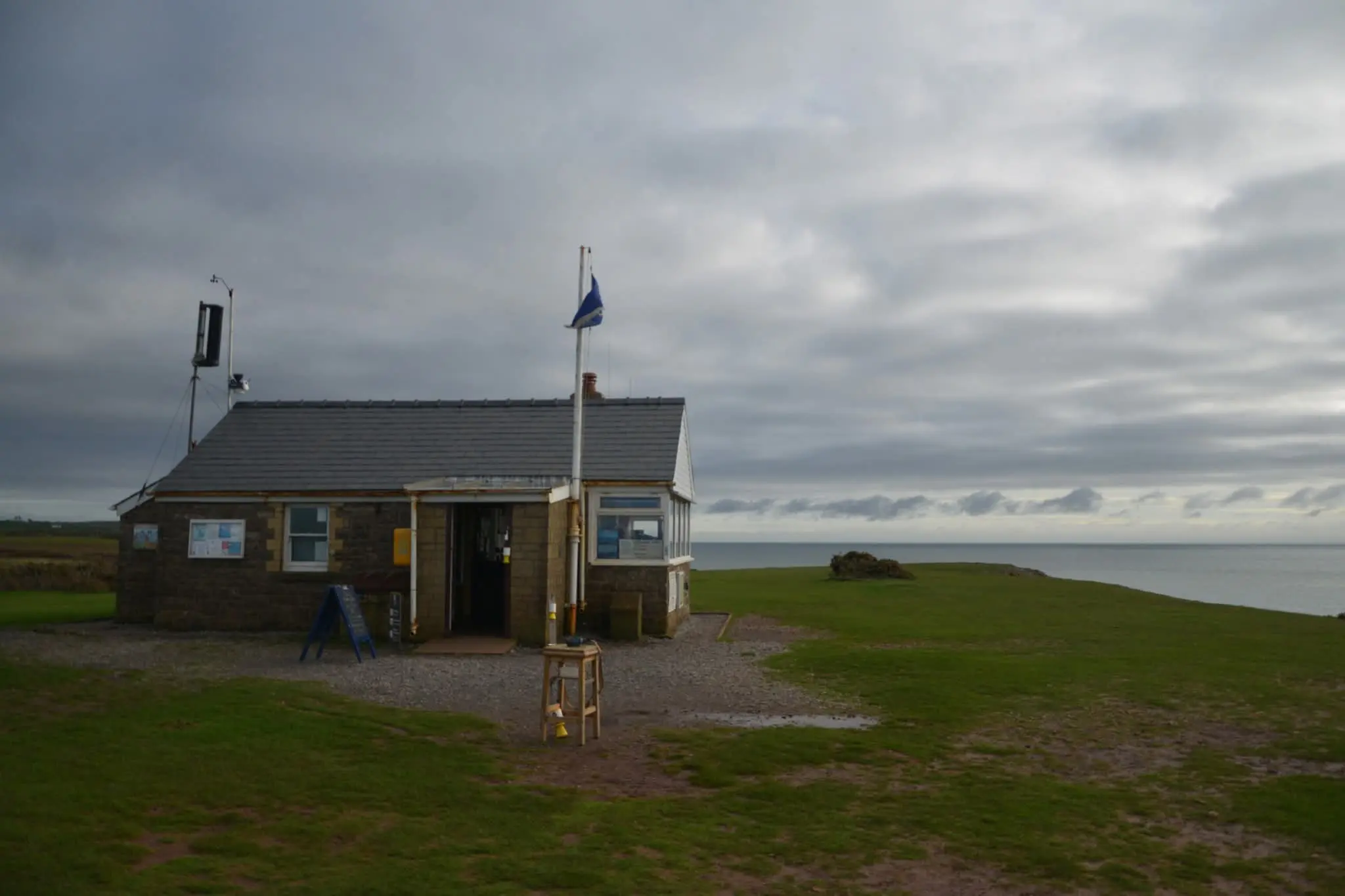
Operating 365 days a year, weather and safety permitting, from the old Coastguard building perched on the headland overlooking Rhosili Bay, our volunteer watchkeepers monitor maritime traffic, track walkers crossing the tidal causeway, and maintain an emergency VHF radio guard. The station has only closed on rare occasions of extreme weather, such as during a red warning for high winds.
Our Watchkeeping Role
Tidal Causeway Surveillance
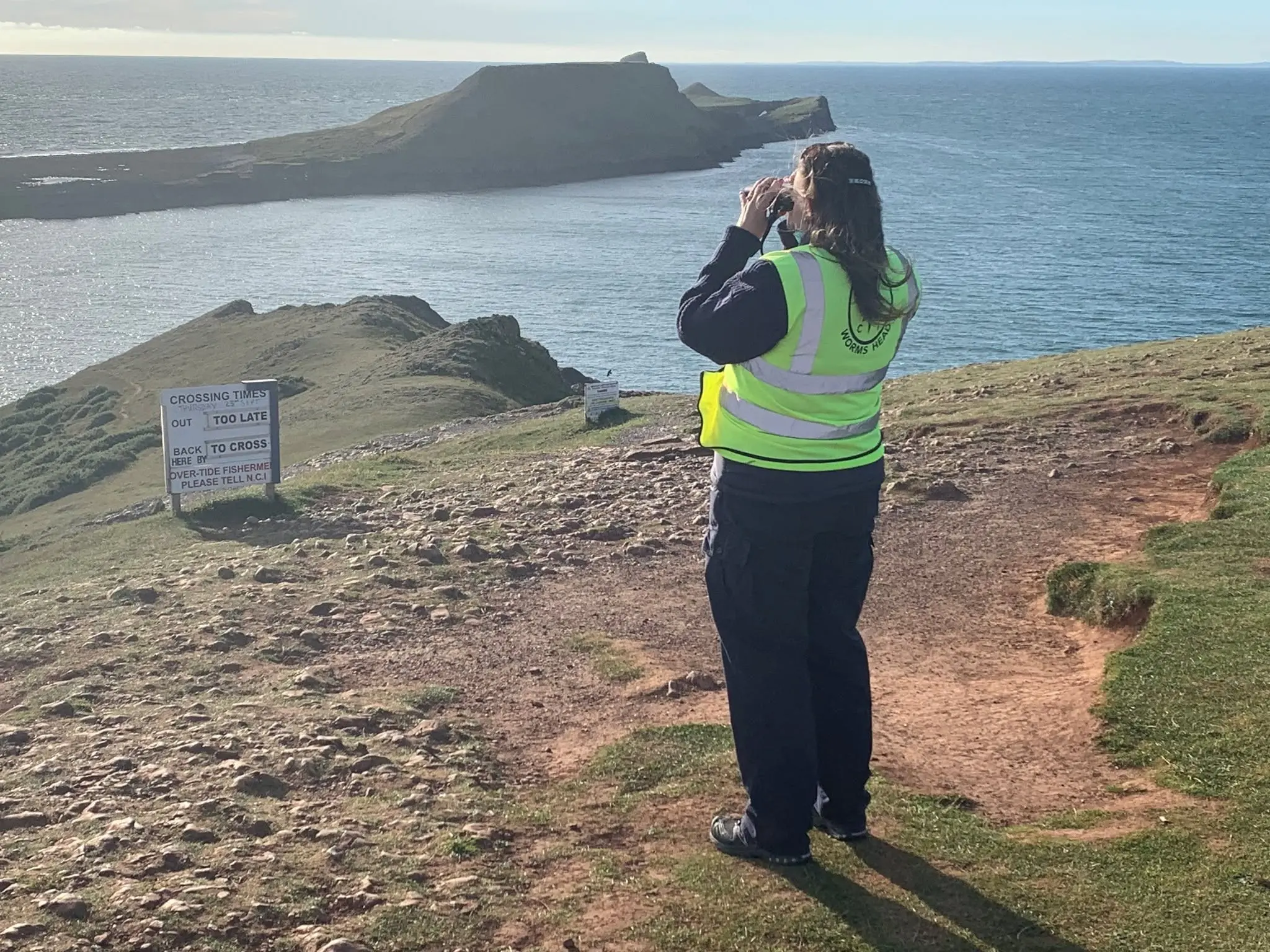
Monitoring crossing windows, recording timestamps of walkers on the causeway, and advising visitors on safe return times before the flood tide isolates Outer Head.
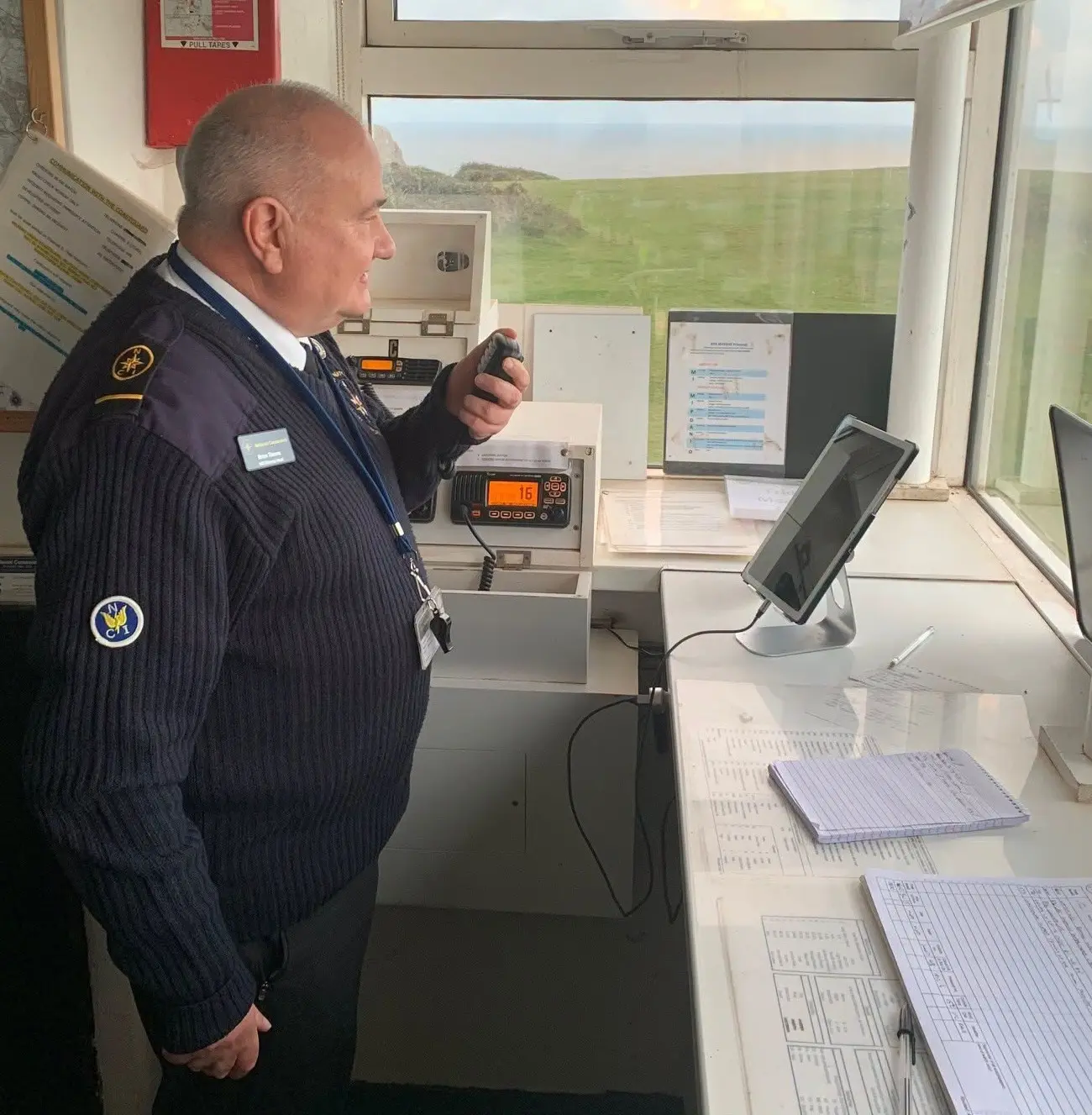
Maritime VHF Radio Guard
Guarding Channel 65 (and Channel 16), broadcasting regular local weather and safety bulletins, and conducting radio safety checks for coastal mariners and paddlecraft.
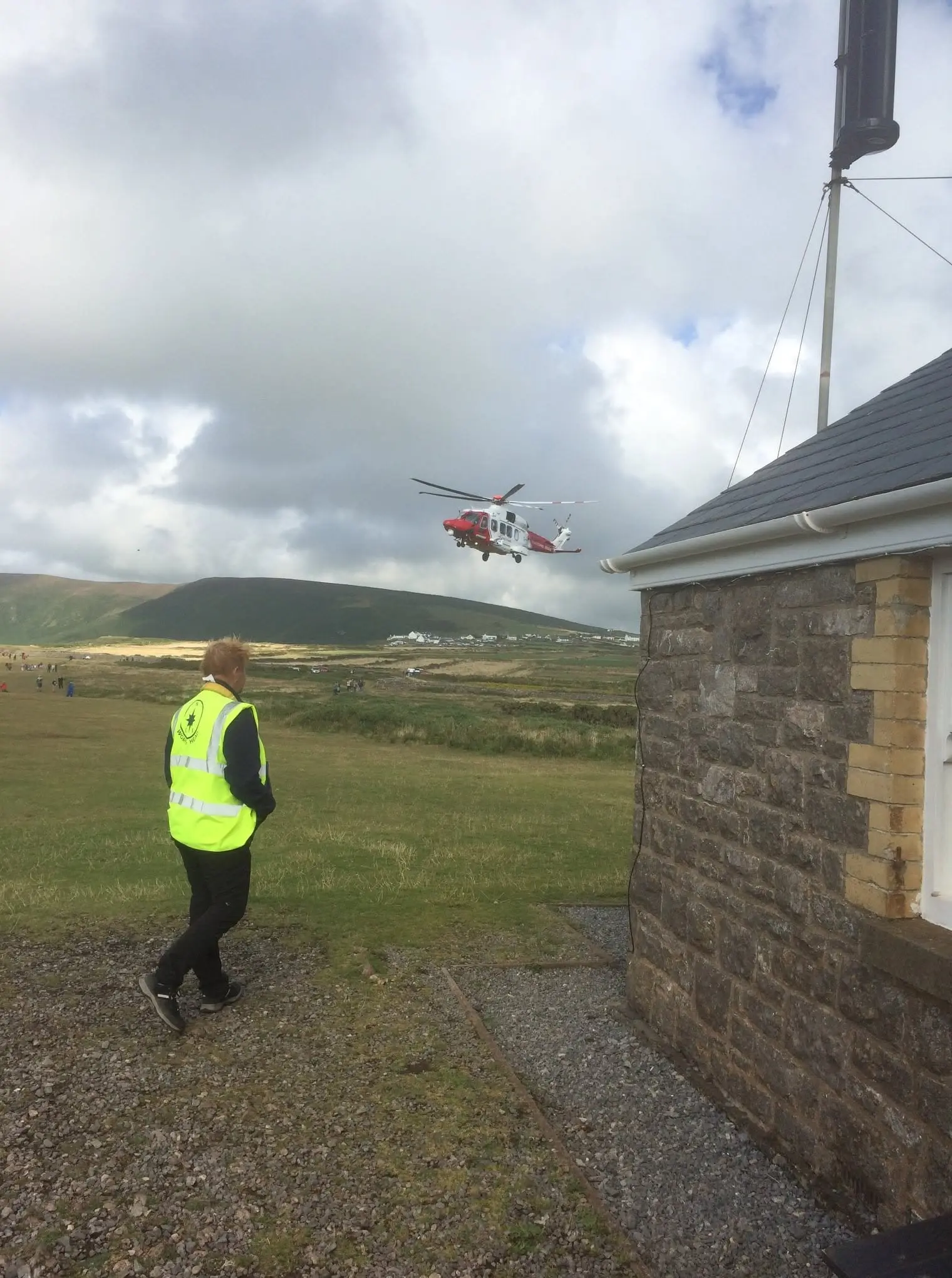
Search & Rescue Coordination
Direct reporting link to HM Coastguard, the volunteer HM Coastguard – Rhosili Rescue Team on land, and RNLI lifeboats at sea, relaying exact GPS positions, visual bearings, and environmental conditions during incidents.
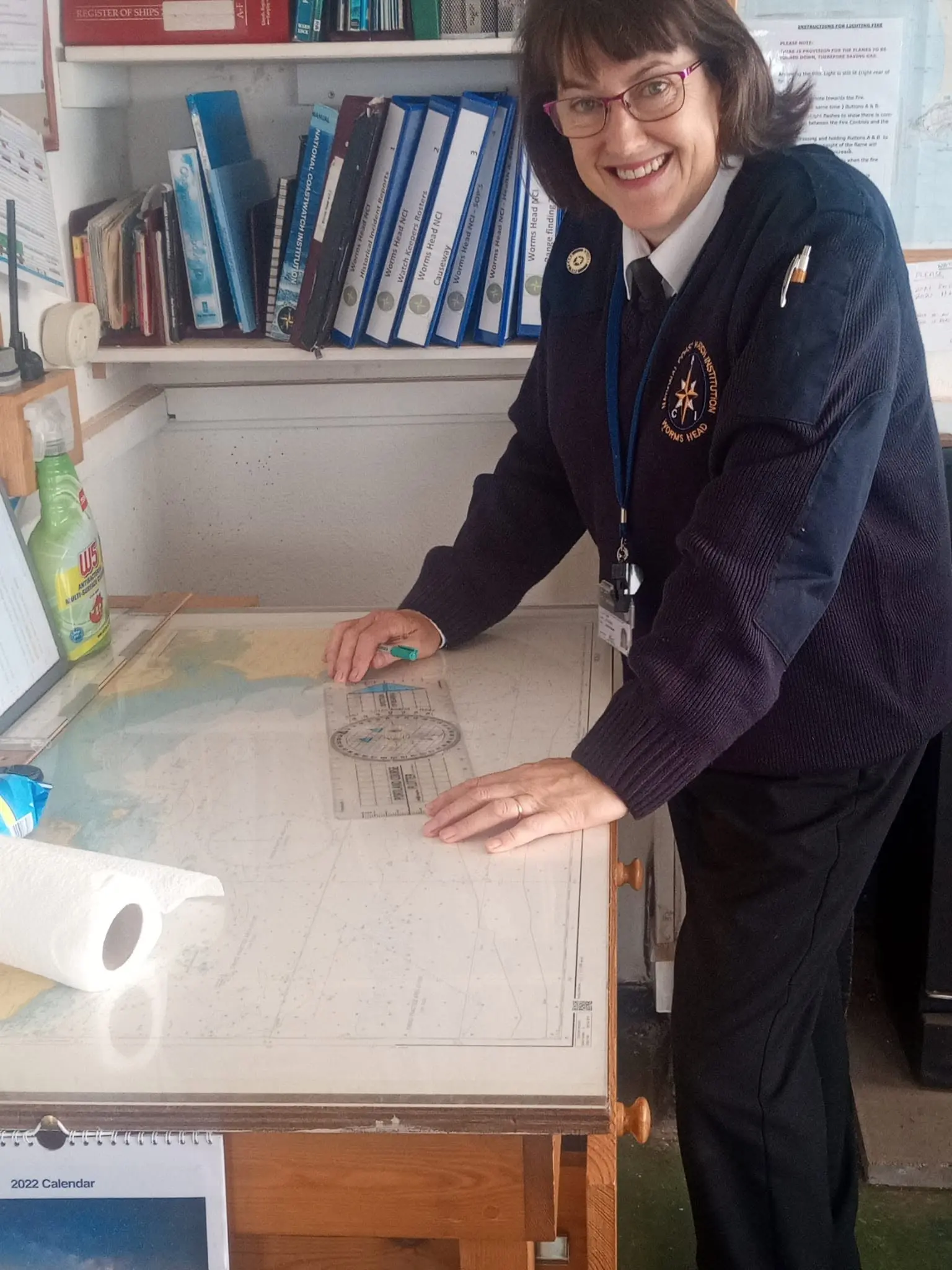
Navigation & Chart Plotting
Fixing bearings and plotting positions on paper charts — a core watchkeeping skill taught from day one, and a reliable back-up to GPS when tracking vessels or coordinating a rescue.
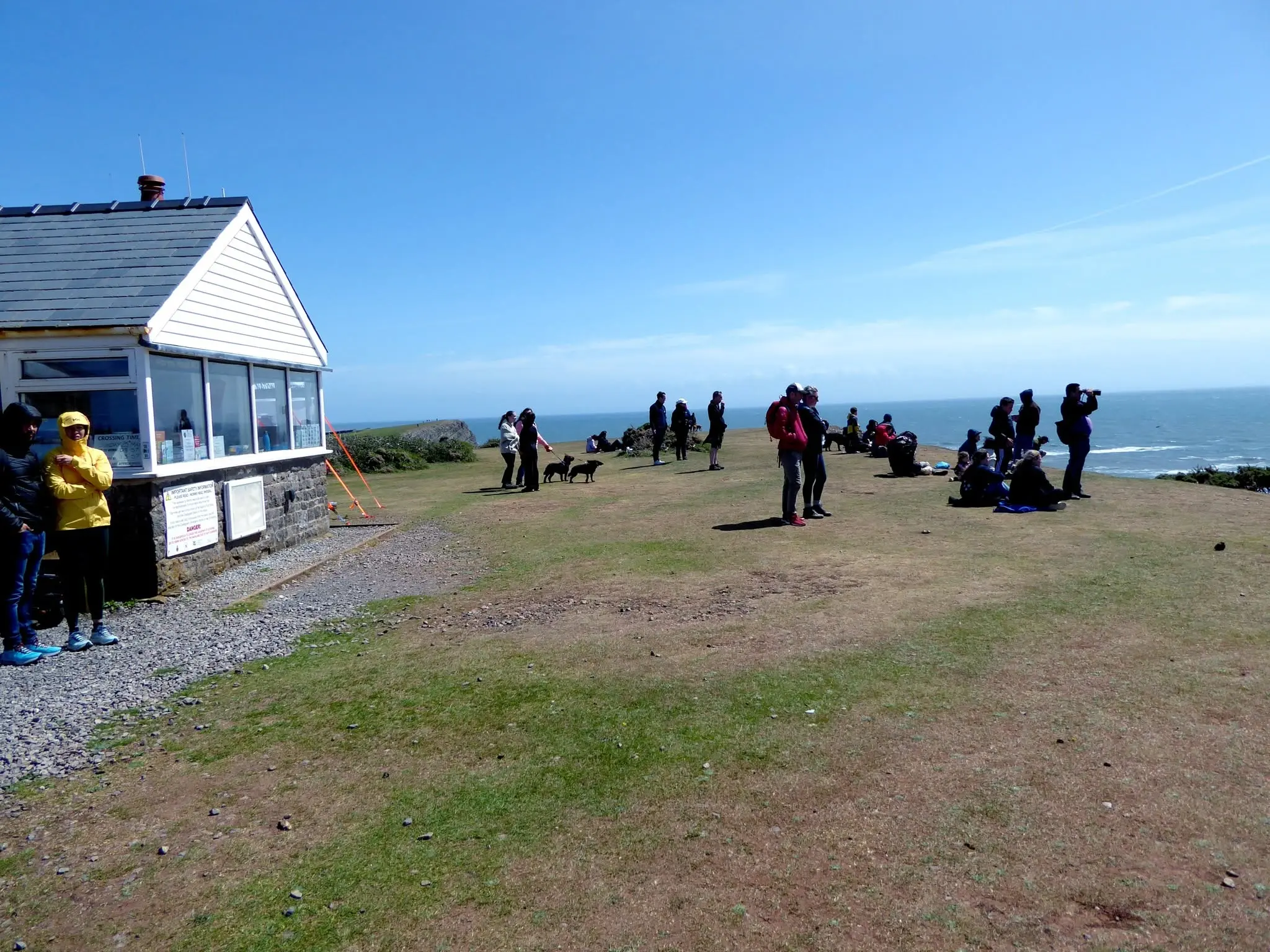
Visitor Advice & Local Information
Answering questions for the visitors who drop into the lookout every day — safe crossing times and tide advice, the accessibility and difficulty of the walk out to Worms Head, and pointers on local wildlife, history, and things to see nearby.
History & Recognition
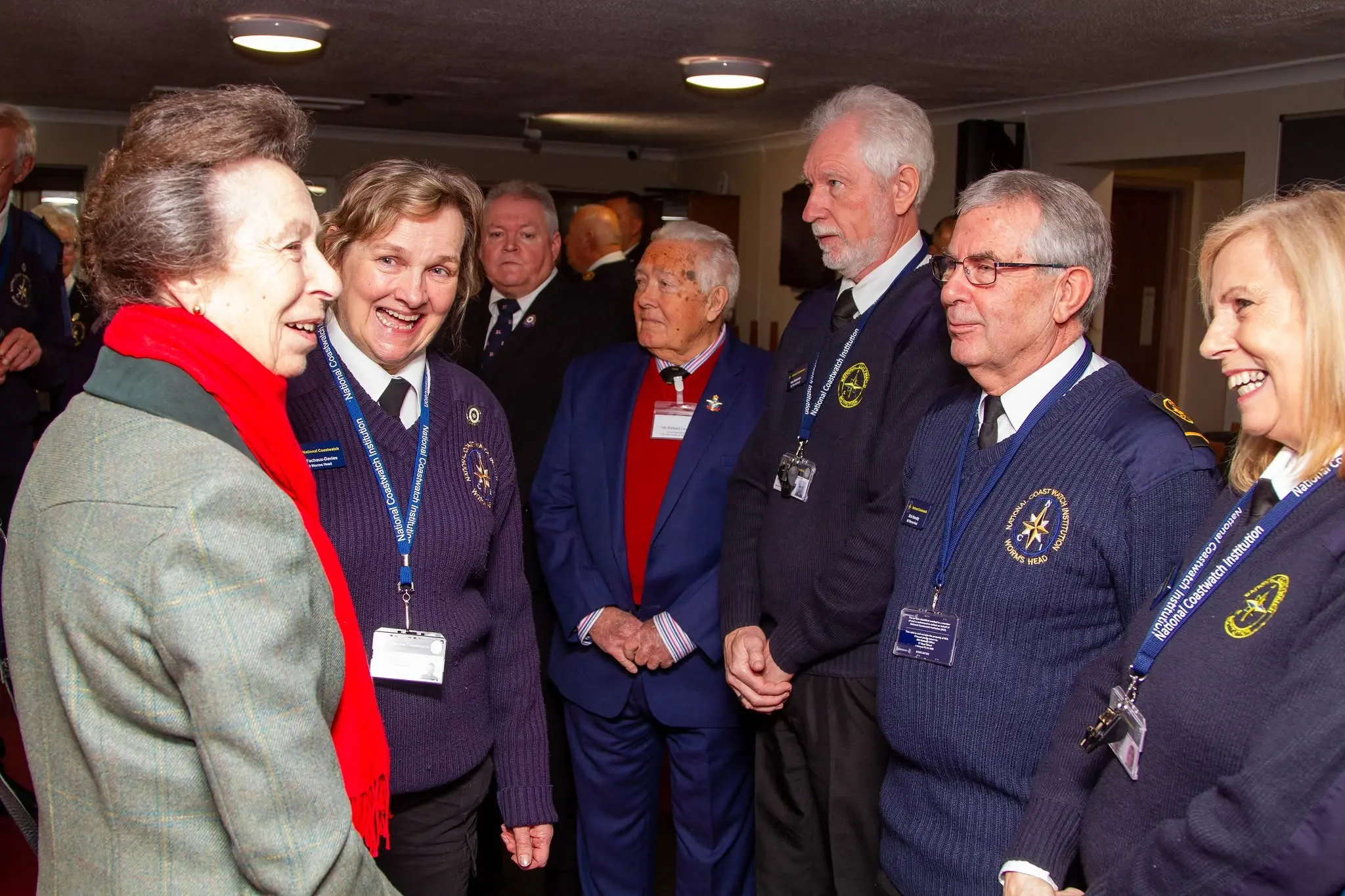
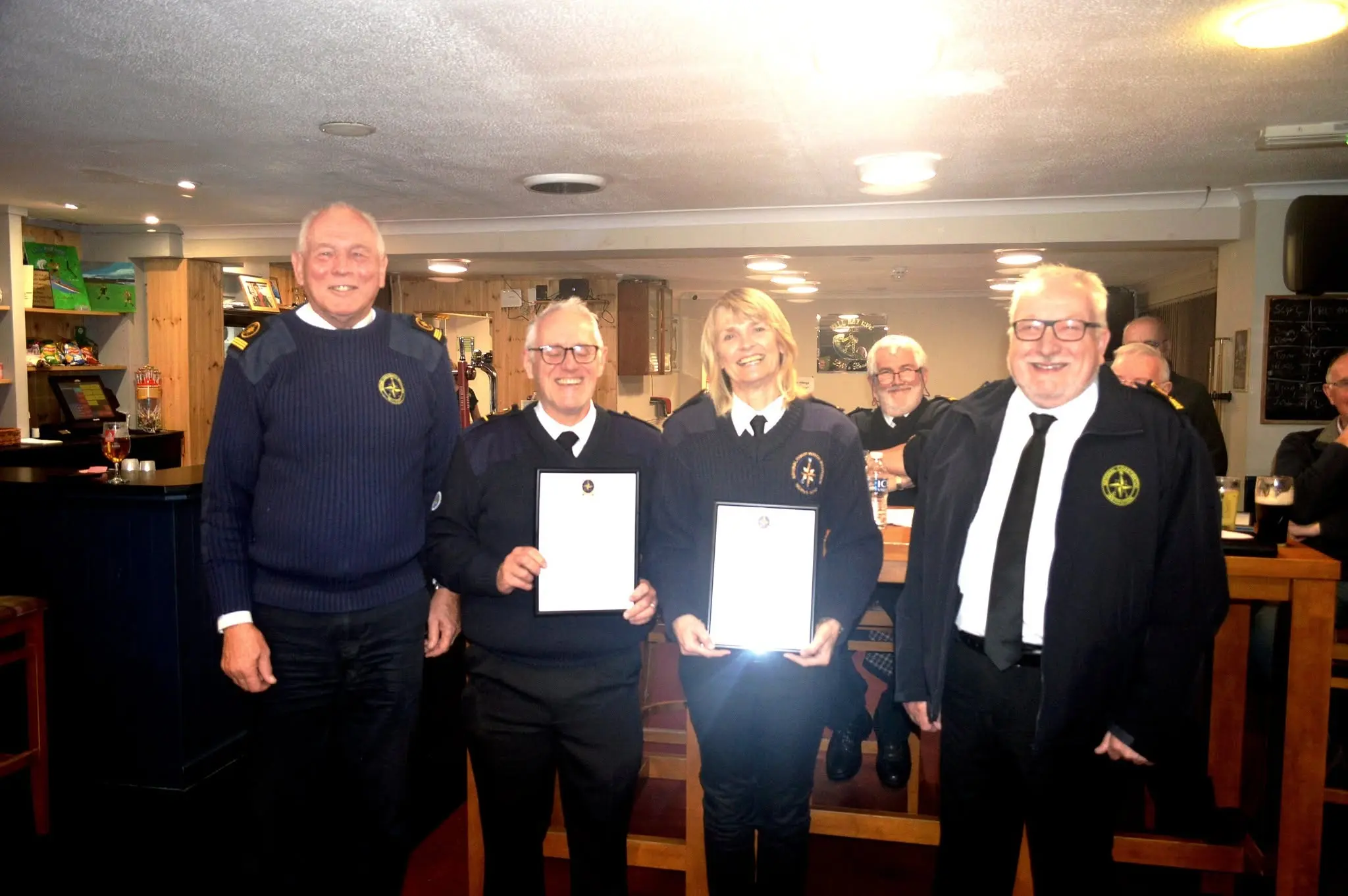
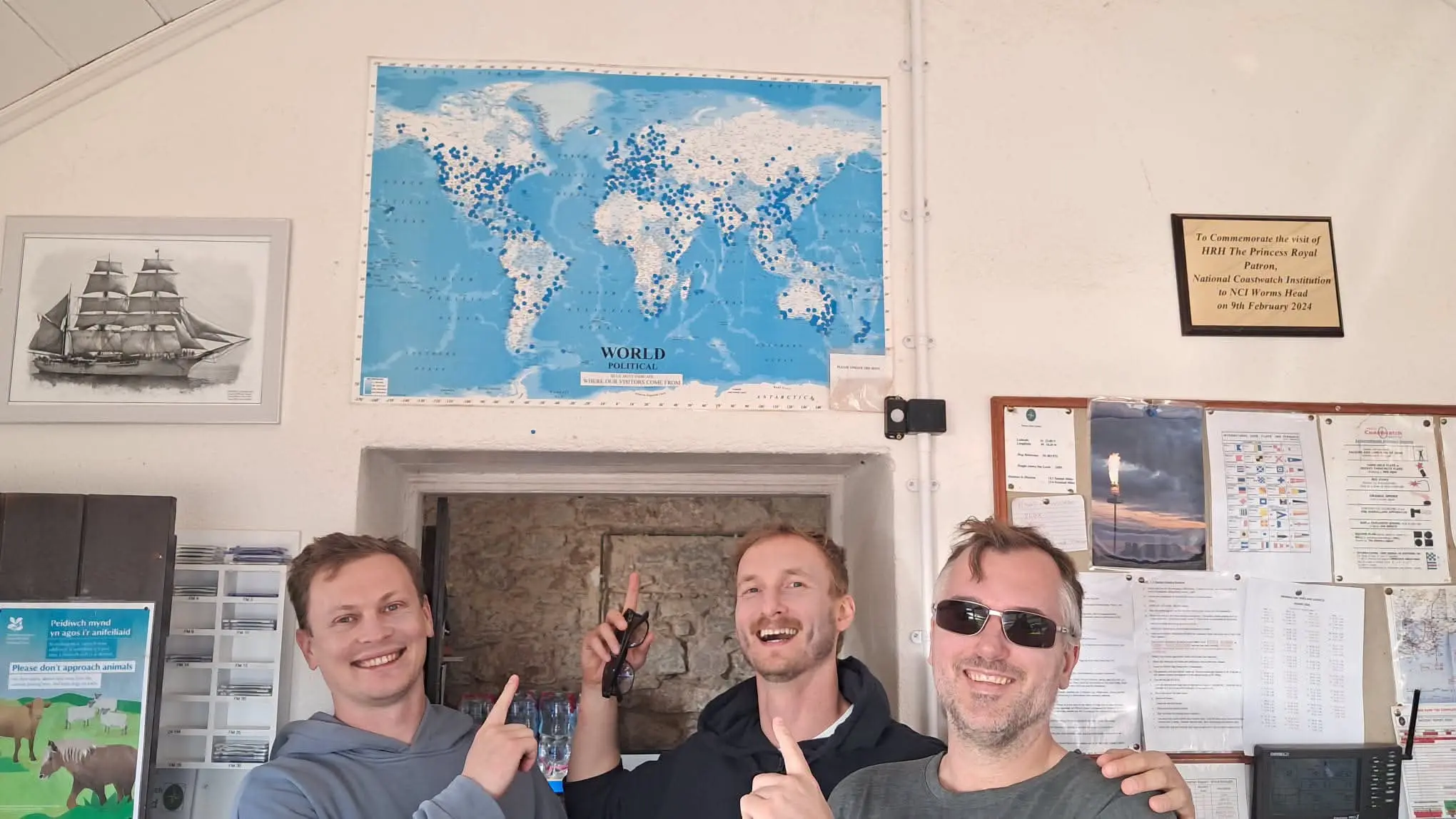
The National Coastwatch was founded nationally in 1994; NCI Worms Head has stood watch over Rhosili Bay since 2007. In February 2024, HRH The Princess Royal, Patron of the National Coastwatch, visited the station to see the watch in action.
The History of Our Lookout
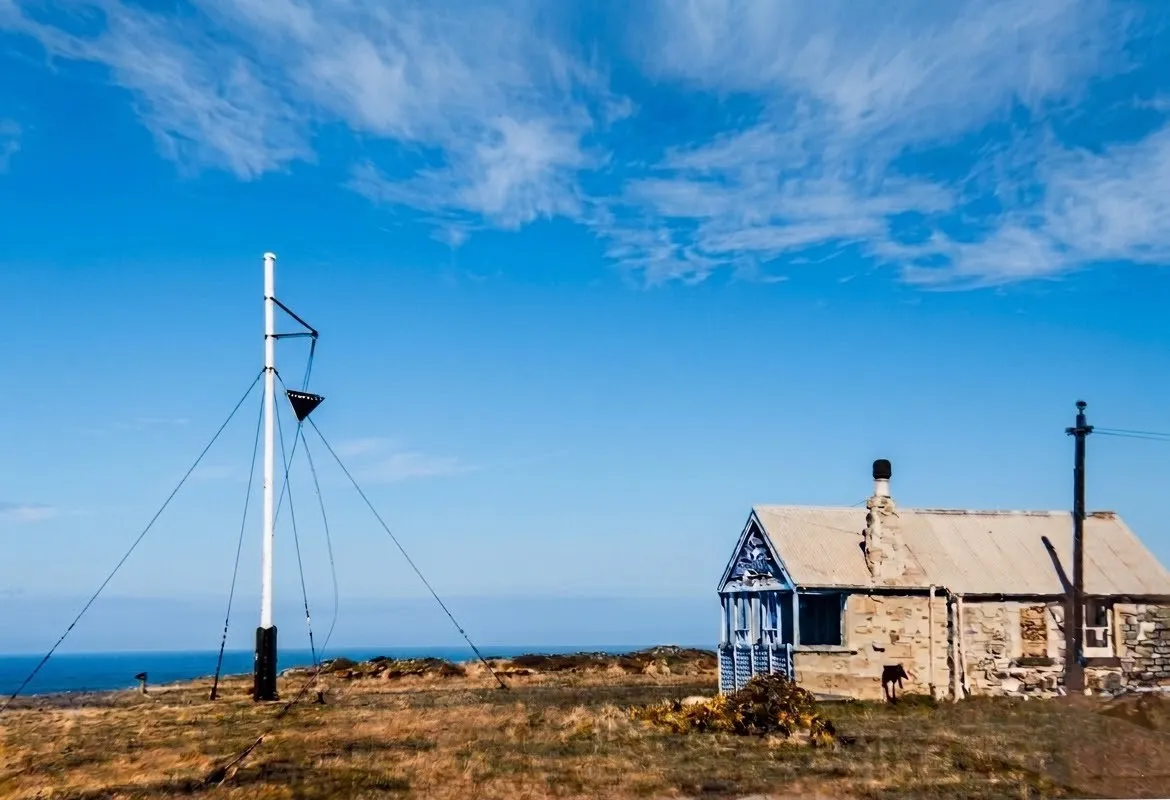
Our lookout was built around 1896 as a Coastguard watch station, staffed 24 hours a day. Off-duty Coastguards lived in the cottages that now house the National Trust shop. The back room of the hut was their bunkhouse, and the front was the lookout itself.
Before radio, the Coastguard talked to passing ships with a storm mast. Cones and balls hoisted on the mast told sailors the wind’s direction and strength. Four miles offshore, a crewed lightship marked the western end of the Helwick sandbank. That job is now done by a cardinal buoy, and the West Helwick lightship is moored in Swansea Marina.
In the 1970s and 80s the Coastguard closed many of its lookouts, and Worms Head was one of the first to go. Over the years that followed, the hut served as an RSPB observatory, an artist’s studio and an information centre, before falling derelict.
Our story began in April 2005, when a group of like-minded people met at Pennard Golf Club. Almost a year of hard work and fundraising later, the station was ready to train its first watchkeepers. Nineteen volunteers set themselves the target of being operational by Easter 2007. They made it, and we have kept watch ever since. Our original 15-year lease ended in May 2021 and has been renewed for a further 10 years.
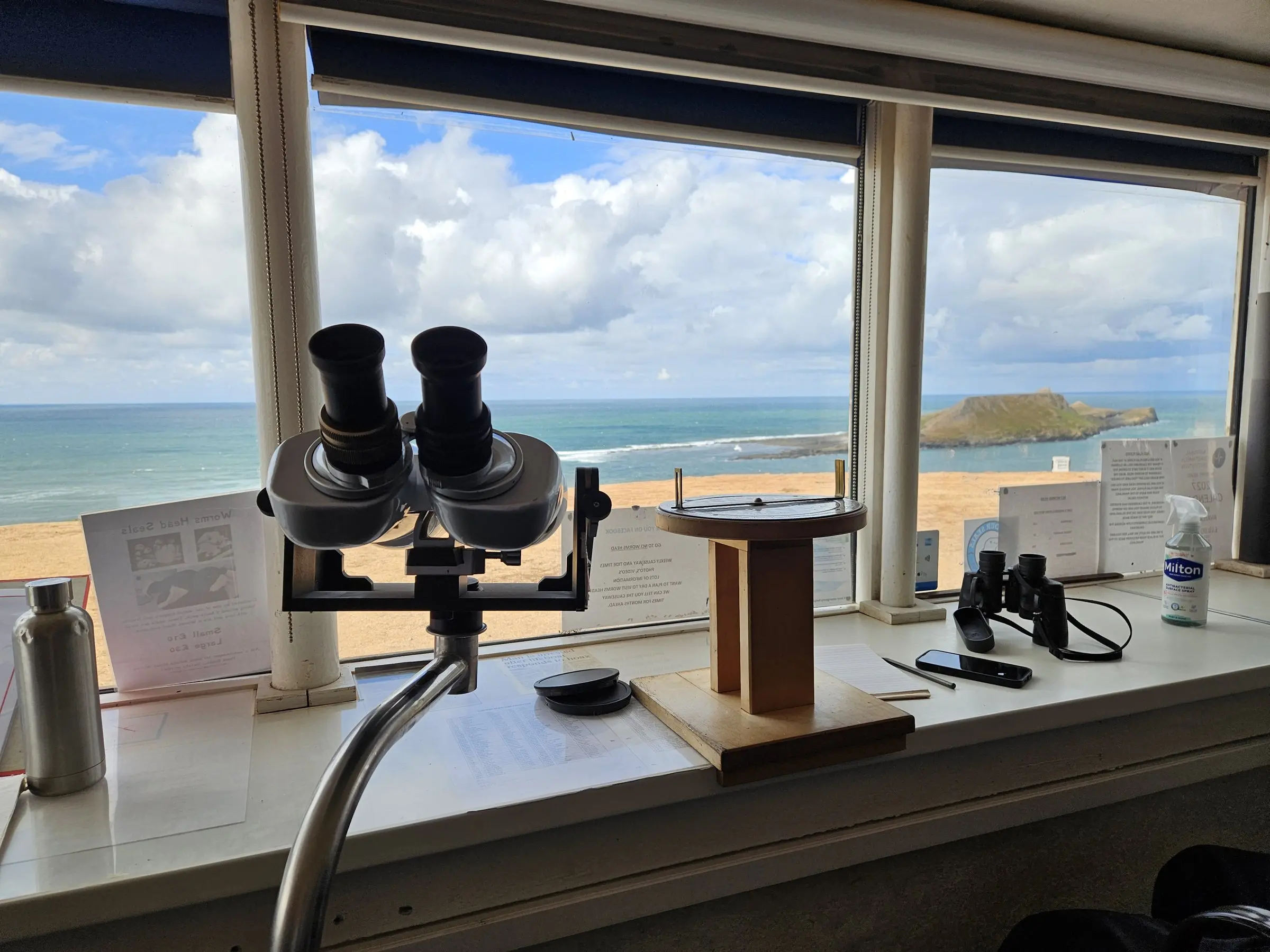
The View from the Lookout
Our lookout stands 50 metres (165 feet) above the sea, which gives us a view stretching far across the Bristol Channel.
Straight ahead, 27.5 nautical miles away, is Lundy. Even from our height, the curve of the earth hides the lower part of the island below the horizon. On a very clear day, just to the left of Lundy, we can make out Hartland Point, nearly 40 nautical miles away. Further left, the North Devon coast runs towards Ilfracombe.
To the right lies the Pembrokeshire coast:
- Caldey Island, 14.7 nautical miles
- Tenby, 18.5 nautical miles
- Saundersfoot, 19.6 nautical miles
- St Govan’s Head, 24.2 nautical miles
Nearer to home, we log everything on the water in front of us, mostly out as far as the West Helwick sandbank, four miles offshore. That can be anything from a paddleboarder to a sizeable fishing boat.
One last thought to take with you: draw a straight line from our hut over the top of the Outer Head, and the next land you reach is Newfoundland. Follow a line over the western slope of the Inner Head instead, and you’ll end up somewhere near Venezuela.
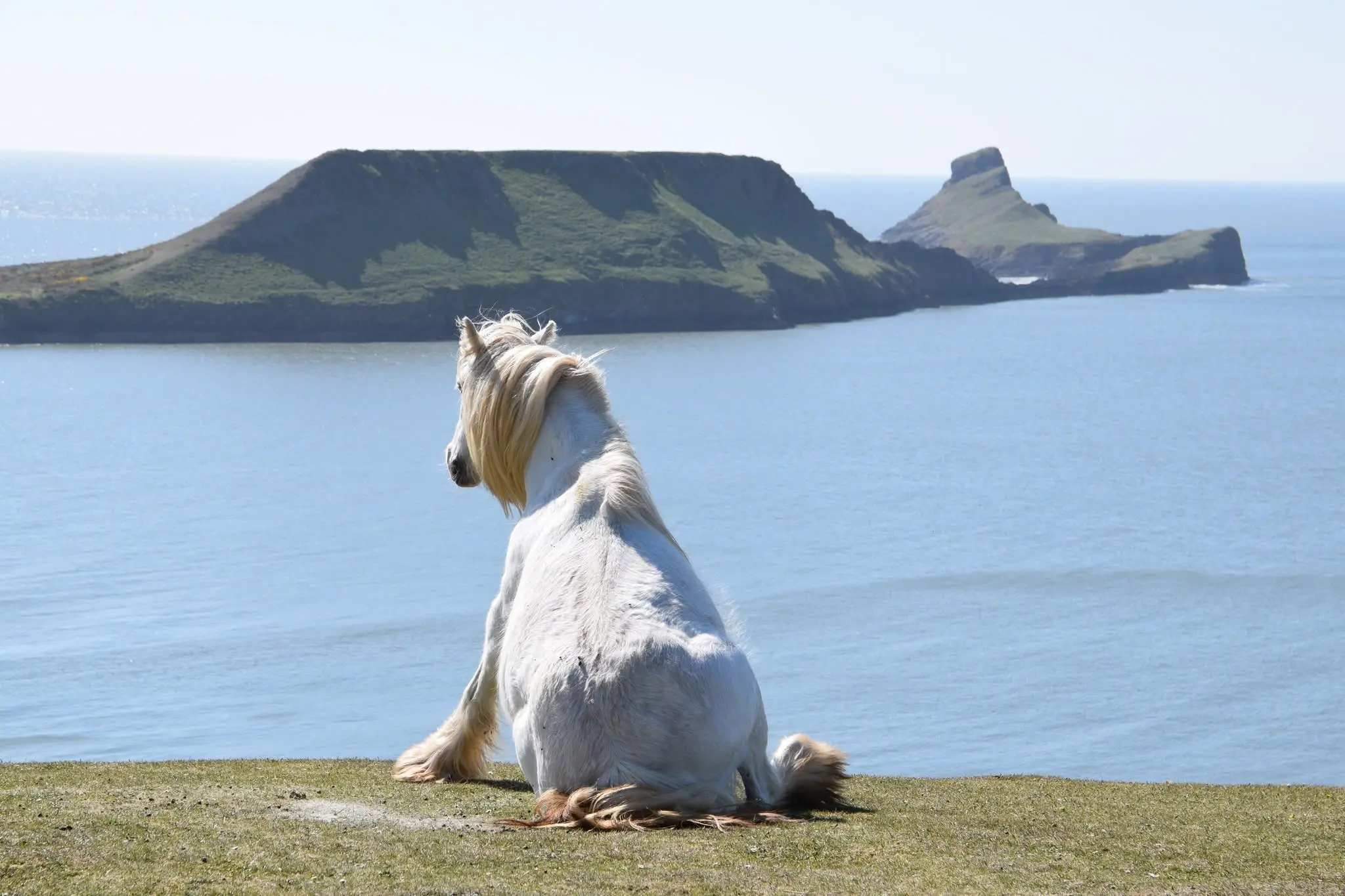
Visitors
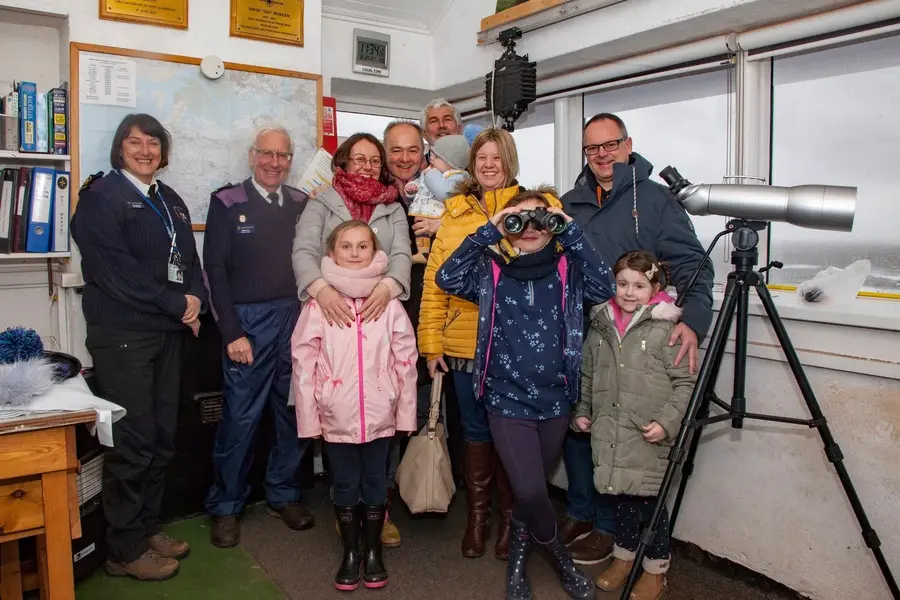
Visitors are normally most welcome at the NCI Worms Head lookout. When an incident is ongoing, however, this may not always be convenient, and the duty watchkeeper may ask visitors to call back later.
We are manned by unpaid volunteers.
We are dependent on your generosity for funding.