Activity Safety & Reference
Advice for specific water activities around Rhosili Bay and Worms Head, plus printable safety cards and VHF radio information.
Looking for cold water shock, rip currents, or the tidal causeway crossing rules? Those hazards — the ones everyone should know before setting off — are covered on the main Your Safety page.
1. Activity-Specific Advice
SUP & Sea Kayaking
- Use a quick-release waist leash rather than an ankle leash in tidal or moving water, so you can release it fast if you need to.
- Never paddle in strong offshore winds (blowing from land out to sea) — you can be swept out faster than you can paddle back.
- Worms Sound's tidal stream picks up fast around mid-tide; check tidal stream forecasts, not just tide times, before launching near the causeway.
Coastal Swimming
- Enter the water slowly to acclimatise and avoid cold water shock.
- Stay within your depth and close to shore. Avoid swimming around outer headlands where tidal races run.
- Check conditions: avoid swimming in heavy shore-dump waves or murky water.
Angling & Coasteering
- Watch out for rogue swell waves on exposed rock platforms around Worms Sound and Fall Bay.
- Wear sturdy footwear with good grip on wet rock and kelp.
- Always wear an auto-inflating lifejacket or impact vest when fishing from low ledges.
- Tell someone on shore your planned location and estimated return time.
Boats & Worms Sound
- Worms Sound has a strong, fast-running tidal race around mid-tide — unpredictable even for experienced boat handlers.
- Keep well clear of the causeway sandbank at low water; small craft have run aground there before.
- Monitor VHF Channel 65 for local safety information, or Channel 16 in an emergency.
- Give a wide berth to walkers, waders, and swimmers near the causeway and Inner Head.
Anglers & Worms Head
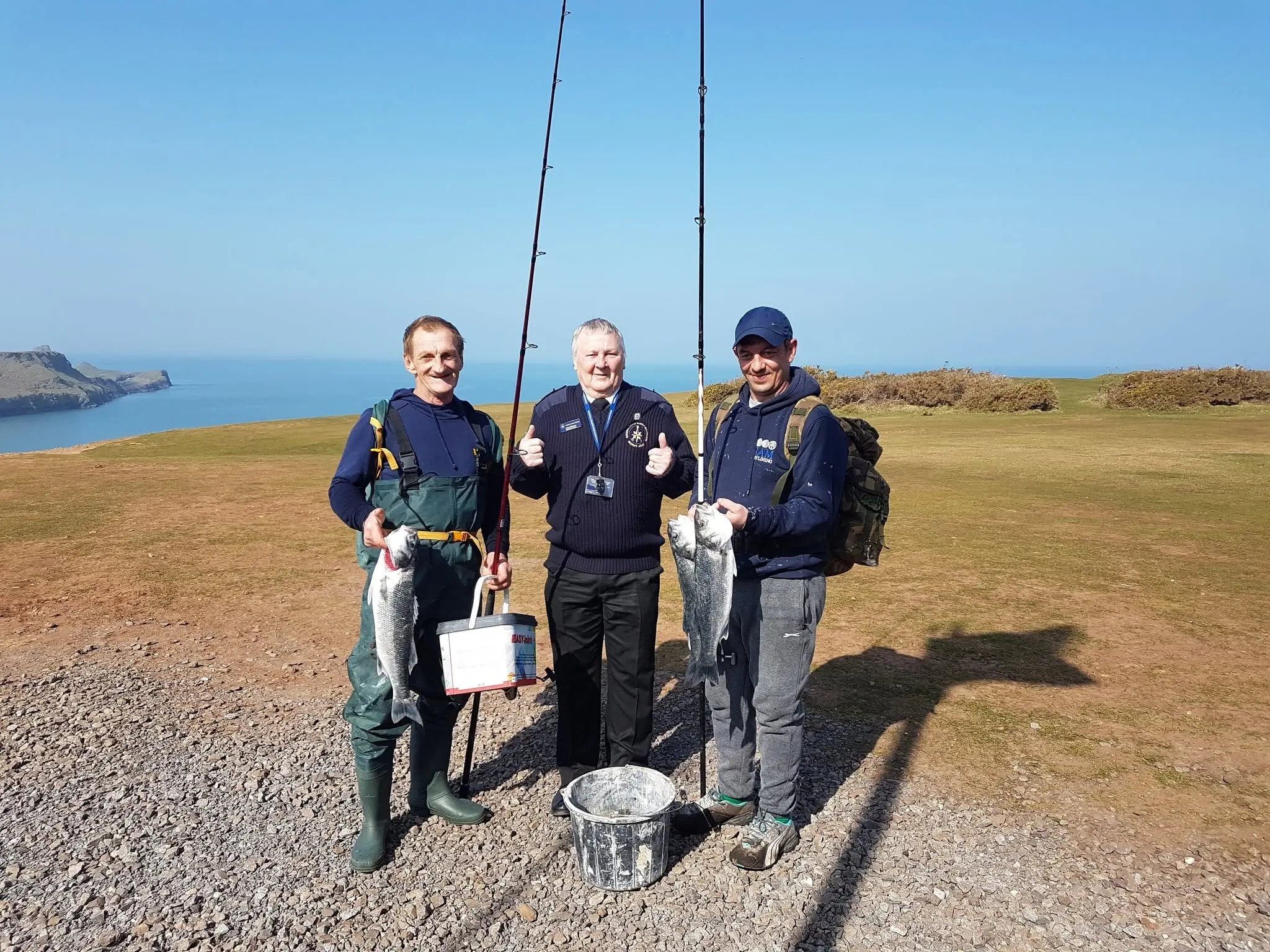
Our watchkeepers know many of the regular anglers who fish the ledges below the lookout, and we're always glad to see a good catch.
But Rogue Waves Do Catch People Out
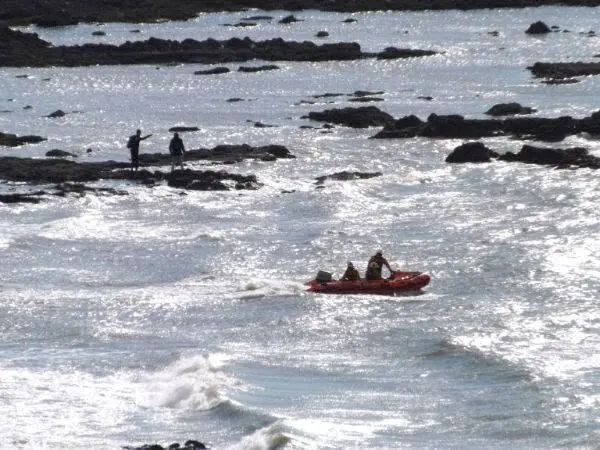
Swell waves on these low rock platforms around Worms Sound and Fall Bay have knocked anglers off their feet before, sometimes needing an RNLI lifeboat to bring them ashore safely. Keep one eye on the sea at all times, and know your escape route before the tide turns.
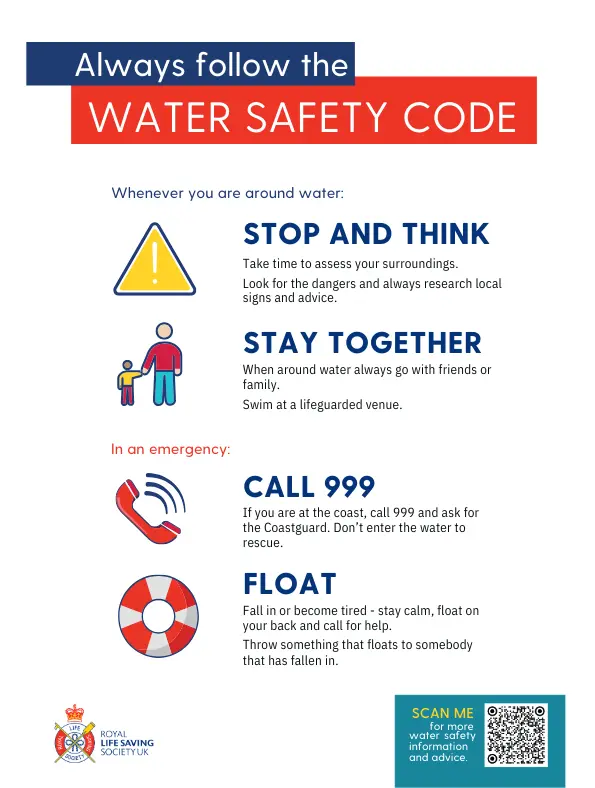
2. Official Safety Cards
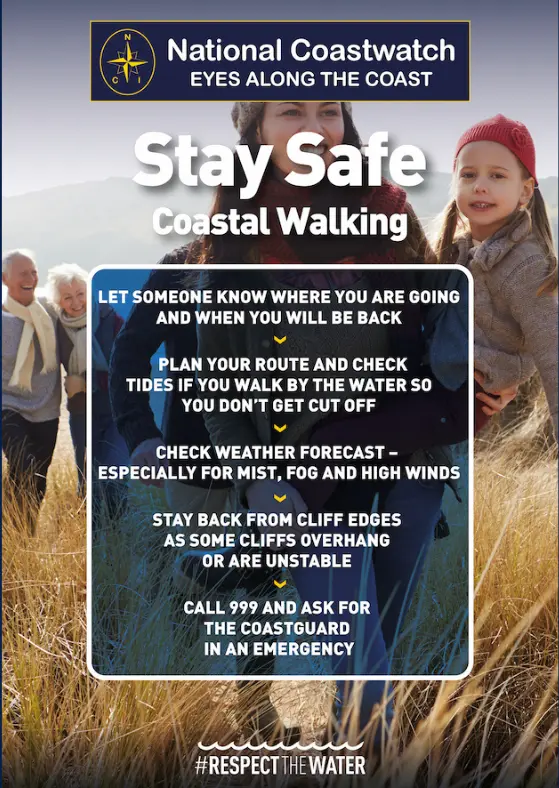
Printable NCI and Royal Life Saving Society reference cards covering the water Worms Head visitors most often ask about.
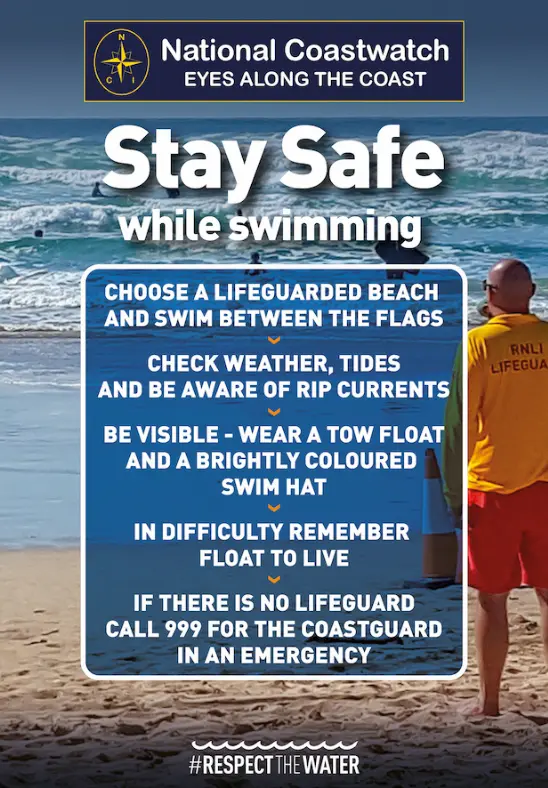
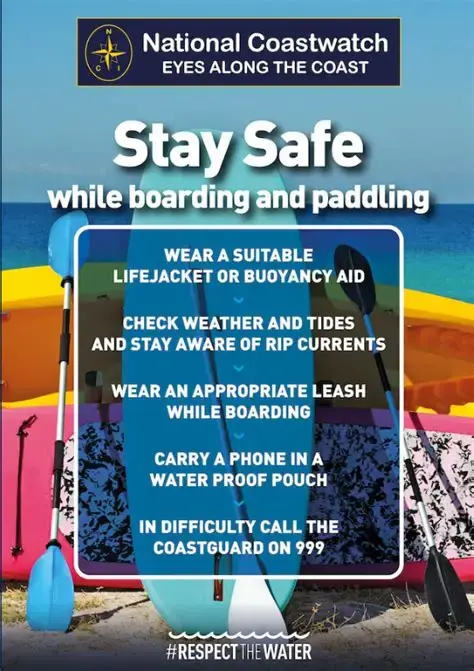
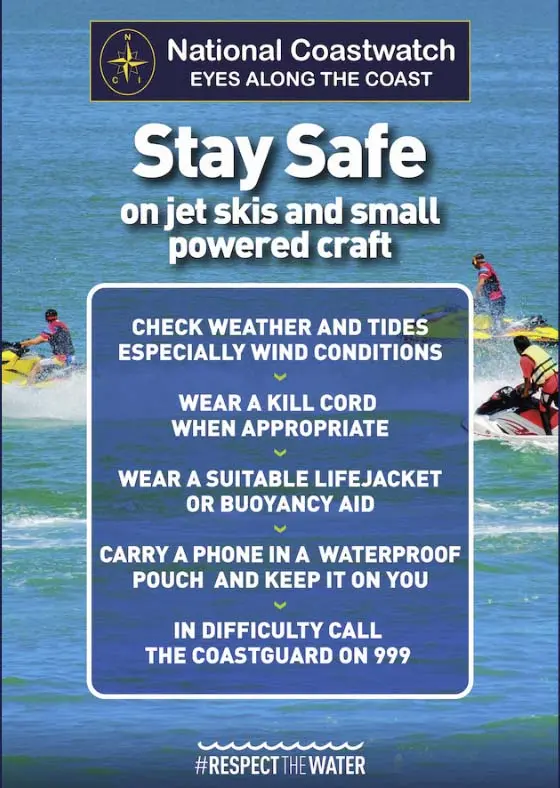
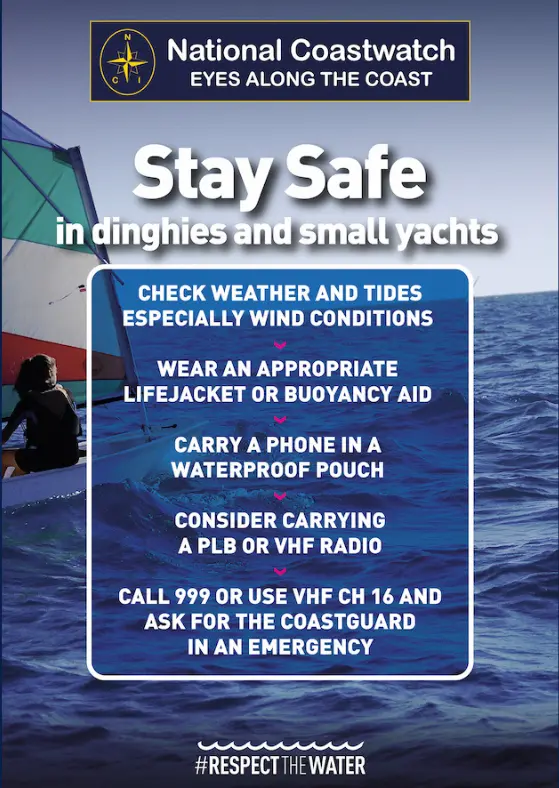
3. Marine Communications & VHF Checks
NCI Worms Head operates as a declared facility for maritime search and rescue under HM Coastguard. We maintain a listening watch on VHF Channel 65 during station operational hours.
Radio Checks
Vessels and small craft are welcome to call "Worms Head NCI" on VHF Ch 65 for a radio check and to receive local weather, sea state, and barometric pressure updates.
Visual Watch
Our watchkeepers monitor water users across Rhosili Bay, the Worms Head causeway, and the outer Sound. If you see someone in difficulty, report it immediately.
Who Responds
NCI Worms Head doesn't launch rescues ourselves — we watch, and pass what we see to the professionals. On land and cliffs, that's the volunteer HM Coastguard – Rhosili Rescue Team; at sea, Horton & Port Eynon RNLI.